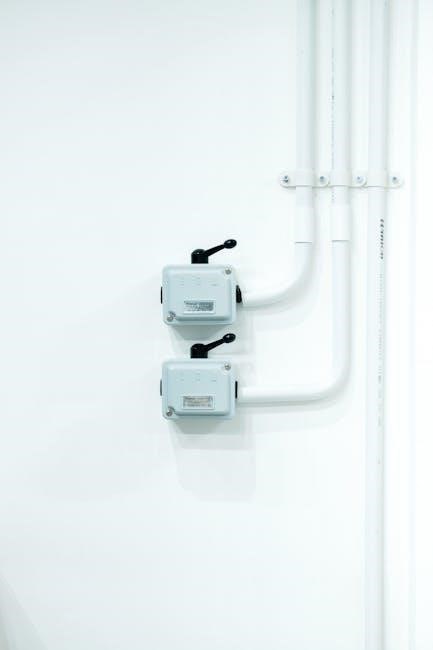
Manual toggle camera switches offer a straightforward‚ reliable method for controlling camera power and functionality.
These switches‚ readily available online through resources like ManualLib‚ provide a physical disconnect‚ enhancing security and simplifying camera management.
Utilizing these switches can reduce reliance on complex systems‚ offering a tangible control option for various applications.
What is a Manual Toggle Camera Switch?
A manual toggle camera switch is a physical‚ electromechanical device used to control the power supply to a camera system. Unlike automated or remotely controlled switches‚ it requires direct human interaction – a deliberate flip of the toggle – to establish or break the electrical connection.
Essentially‚ it acts as a simple on/off switch‚ but specifically designed for camera applications. These switches are often utilized to completely disconnect power‚ providing a higher level of security than simply turning off the camera via software. Resources like ManualLib host numerous manuals detailing the operation of such devices.
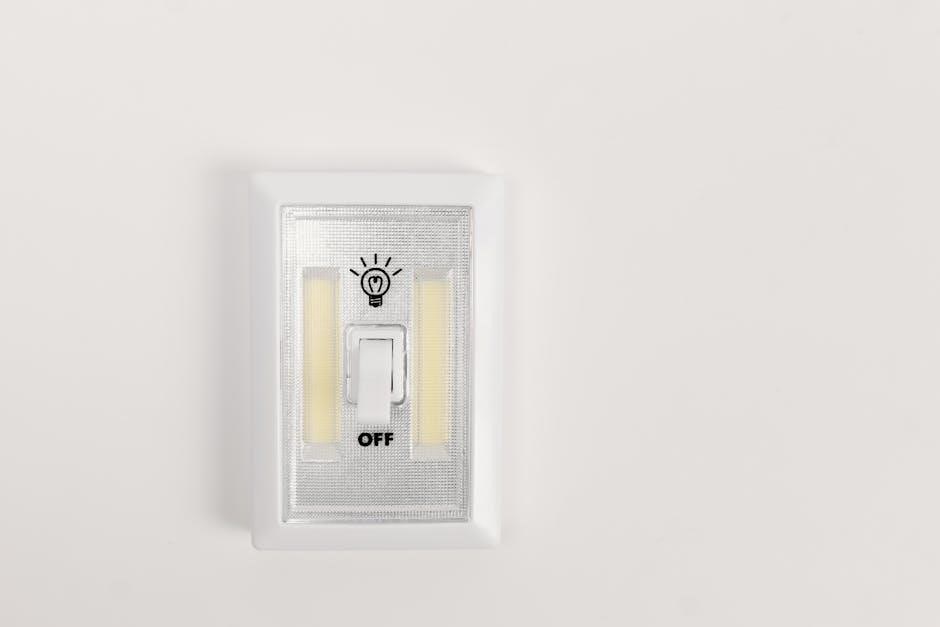
They are valued for their simplicity‚ reliability‚ and cost-effectiveness‚ offering a tangible method for managing camera access and power consumption. This direct control is particularly useful in environments where network security is a concern or where a failsafe power disconnect is required.
Why Choose a Manual Toggle Switch for Your Camera?
Choosing a manual toggle switch for your camera offers several key advantages. Primarily‚ it provides a robust security measure – a physical disconnection eliminates the risk of remote access or hacking‚ surpassing software-based controls. This is crucial for sensitive surveillance systems.
Furthermore‚ manual switches are incredibly reliable and require no power to operate themselves‚ functioning even during power outages. They are also cost-effective and easy to install‚ making them accessible for various users. Online resources‚ including extensive manual databases‚ simplify finding the right model.
For those seeking a simple‚ dependable‚ and secure method of camera control‚ a manual toggle switch presents an ideal solution‚ offering peace of mind and tangible control over your system.
Types of Manual Toggle Camera Switches
Various toggle switch configurations exist‚ including SPST‚ SPDT‚ DPST‚ and DPDT‚ each offering unique wiring capabilities for different camera control needs;
SPST (Single Pole Single Throw) Switches
SPST switches represent the simplest form of manual toggle switch‚ functioning as a basic on/off control for your camera system. They possess two terminals – one input and one output – creating or breaking a single electrical circuit.
This makes them ideal for directly powering or disconnecting a camera‚ offering a straightforward solution for basic camera control. Finding documentation for these switches is often easy‚ with resources like ManualLib providing access to numerous guides.
Installation typically involves interrupting the positive or negative wire running to the camera‚ inserting the SPST switch in-line. They are commonly used when a simple power control is sufficient‚ avoiding the complexities of more advanced switching configurations. Their simplicity also contributes to their reliability and ease of troubleshooting.
SPDT (Single Pole Double Throw) Switches
SPDT switches offer increased versatility compared to SPST switches‚ featuring a single input and two outputs. This allows the switch to direct power to one of two different circuits‚ making them useful for switching between camera power sources or functionalities.
For example‚ an SPDT switch could toggle power between a primary camera and a backup‚ or select between different camera modes. Locating manuals for these switches is facilitated by online databases‚ ensuring proper installation and operation.
Wiring an SPDT switch requires careful attention to the common terminal and the two throw terminals. They are a good choice when needing to select between two options with a single switch action‚ providing a more sophisticated control solution than a simple on/off switch.
DPST (Double Pole Single Throw) Switches
DPST switches are essentially two SPST switches combined into one unit‚ operated by a single toggle. This configuration allows for simultaneous control of two separate circuits‚ ideal for applications requiring coordinated power control for camera systems.
They are particularly useful when needing to disconnect both the power and potentially a signal line with a single action‚ enhancing security or simplifying maintenance. Finding the correct manual for a DPST switch is crucial‚ and resources like manufacturer websites offer detailed documentation.
DPST switches provide a robust solution for controlling higher power loads or multiple components simultaneously‚ offering a reliable and convenient method for managing camera power distribution.
DPDT (Double Pole Double Throw) Switches
DPDT switches represent a more versatile option‚ functioning as two SPDT switches integrated into a single unit. They offer the ability to switch two separate circuits to one of two different positions with a single toggle action‚ providing complex control possibilities for camera setups.
This makes them suitable for switching between camera power sources‚ selecting different video outputs‚ or implementing more sophisticated control schemes. Locating the appropriate manual‚ often available through online databases like ManualLib‚ is essential for correct wiring and operation.
DPDT switches are ideal for applications demanding flexible circuit routing and control‚ offering a robust and reliable solution for advanced camera system management.
Applications of Manual Toggle Camera Switches
Manual toggle switches find use in security‚ surveillance‚ broadcast‚ and industrial camera systems‚ offering simple‚ reliable control over power and signal routing.
Security Camera Systems
Manual toggle switches are invaluable in security camera setups‚ providing a physical layer of control beyond software settings. They allow for complete power disconnection to cameras‚ preventing unauthorized access or remote manipulation – a crucial feature for privacy and data security.
This is particularly useful in sensitive areas where even a compromised network shouldn’t allow camera activation. Integrating these switches offers peace of mind‚ ensuring cameras are truly off when desired. Resources like ManualLib demonstrate the simplicity of these devices‚ making them accessible for DIY security installations.
Furthermore‚ a manual switch bypasses potential vulnerabilities in smart home integrations‚ offering a robust‚ independent security measure. They are ideal for both indoor and outdoor camera systems‚ enhancing overall security protocols.
Surveillance Systems
Manual toggle camera switches are essential components in robust surveillance systems‚ offering a fail-safe method for controlling camera operation. Unlike relying solely on software commands‚ a physical switch guarantees power isolation‚ preventing unauthorized recording or viewing – a critical aspect of maintaining privacy and legal compliance.
These switches are particularly beneficial in environments requiring strict control over data capture‚ such as sensitive business locations or areas with privacy regulations. Finding relevant manuals and guides‚ as offered on platforms like ManualLib‚ simplifies integration into existing systems.
They provide a tangible security measure‚ independent of network connectivity‚ ensuring surveillance can be reliably disabled when necessary‚ bolstering overall system integrity.
Broadcast and Production Cameras
Manual toggle camera switches provide a crucial layer of control in fast-paced broadcast and production environments. They offer a quick‚ reliable method for isolating camera feeds‚ preventing accidental on-air mishaps or unauthorized signal transmission during live broadcasts or complex multi-camera setups.
Unlike software-based solutions‚ a physical switch bypasses potential system glitches or network vulnerabilities‚ ensuring immediate and dependable control. Accessing detailed product manuals‚ available through online resources‚ aids in proper implementation and troubleshooting.
This direct control is invaluable for camera operators and technical directors‚ allowing for swift adjustments and maintaining broadcast quality and security.
Industrial Camera Control
Manual toggle camera switches are essential for robust and dependable control of cameras used in industrial applications. These environments often demand unwavering reliability‚ where remote or automated systems might be susceptible to interference or failure. A physical switch provides a failsafe mechanism for controlling camera power and data flow.
Applications include quality control‚ monitoring hazardous environments‚ and process visualization. Utilizing readily available manuals and guides‚ like those found on ManualLib‚ ensures correct installation and operation.
The simplicity and durability of these switches make them ideal for harsh industrial settings‚ offering a practical solution for maintaining operational control.
Installation Guide for Manual Toggle Camera Switches
Proper installation of a manual toggle camera switch requires basic electrical knowledge‚ appropriate tools‚ and careful adherence to wiring diagrams for safe operation.
Tools Required for Installation
Successfully installing a manual toggle camera switch demands a specific set of tools to ensure a secure and functional connection. First‚ you’ll need wire strippers to carefully remove insulation without damaging the conductors. A screwdriver set‚ including both Phillips and flathead options‚ is crucial for tightening screws on the switch and mounting bracket.
A voltage tester is paramount for safety‚ verifying power is off before commencing work. Pliers are useful for bending and manipulating wires‚ while electrical tape provides insulation and protection for connections. Consider a small level to ensure the switch is mounted straight. Finally‚ a drill with appropriate bits may be needed for mounting the switch to a surface‚ and wire connectors (like wire nuts) will secure the wire joins.
Wiring Diagrams for Different Switch Types
Understanding wiring diagrams is vital for correctly installing your manual toggle camera switch. SPST switches have the simplest setup: one input wire and one output‚ interrupting the power flow. SPDT switches offer a common terminal‚ plus two others‚ allowing you to select between two circuits – useful for switching between cameras.
DPST switches feature two independent SPST circuits controlled by a single toggle‚ ideal for dual-camera setups. DPDT switches are the most complex‚ with two SPDT circuits‚ offering versatile control options. Diagrams typically show the power source‚ switch terminals (common‚ normally open‚ normally closed)‚ and the camera’s power wires. Always consult a diagram specific to your switch type before connecting any wires.
Step-by-Step Installation Process
Begin by disconnecting power to the camera system at the breaker. Mount the toggle switch securely in your desired location; Identify the camera’s power wires – typically red for positive and black for negative. Connect the power source’s positive wire to the switch’s common terminal. Then‚ connect the camera’s positive wire to the switch’s normally open or closed terminal‚ depending on your desired functionality.
Repeat this process for the negative wires. Double-check all connections before restoring power. Test the switch to ensure it correctly controls the camera’s power. Refer to online manuals and guides for visual aids throughout the process‚ ensuring a safe and functional installation.
Safety Precautions During Installation
Always disconnect power at the breaker before commencing any wiring work. Never work with wet hands or in damp environments to avoid electrical shock. Use insulated tools to prevent accidental shorts. Verify wire gauge compatibility with the switch’s ratings to prevent overheating. Ensure the switch is securely mounted to avoid loose connections and potential hazards.
Double-check all wiring connections before restoring power‚ referencing diagrams for accuracy. If unsure about any step‚ consult a qualified electrician. Improper installation can lead to fire or equipment damage. Prioritize safety throughout the entire process‚ and always adhere to local electrical codes.
Troubleshooting Common Issues
Diagnosing issues with manual toggle camera switches involves checking power supply‚ wiring connections‚ and switch functionality.
Referencing manuals and online resources can aid in identifying and resolving intermittent problems or complete failures.
Switch Not Functioning
A non-functioning switch often indicates a break in the circuit‚ starting with the power source; First‚ verify the power supply to the switch itself is active using a multimeter; ensure voltage is present. Next‚ meticulously inspect all wiring connections – are they secure and free from corrosion? Loose connections are a frequent culprit.
If the wiring appears sound‚ the switch mechanism itself may be faulty. Using a continuity tester‚ confirm the switch opens and closes the circuit when toggled. If no continuity is detected‚ the switch likely needs replacement. Remember to consult available manuals for specific troubleshooting steps related to your switch model‚ often found on sites like ManualLib.
Finally‚ consider if a blown fuse or tripped breaker is interrupting the power flow to the camera system.
Intermittent Connection
An intermittent connection with a manual toggle camera switch is frustrating‚ often stemming from a few key issues. Begin by carefully examining the wiring connections at the switch and the camera itself. Look for any signs of loose wires‚ corrosion‚ or damaged insulation. Gently wiggle the wires while the system is powered on (with caution!) to see if the connection is restored temporarily.
Internal switch contacts can also become worn or dirty‚ causing sporadic breaks in the circuit. Consider cleaning the switch contacts with a specialized electronic contact cleaner. If the problem persists‚ the switch may be failing and require replacement. Refer to online manuals and guides‚ accessible through resources like ManualLib‚ for detailed diagrams and troubleshooting advice.
Camera Power Issues
Camera power issues following the installation of a manual toggle switch often indicate a problem with the power supply or wiring. First‚ verify the switch is in the ‘on’ position and that the power source is functioning correctly. Check the camera’s power adapter and ensure it’s delivering the correct voltage and amperage.
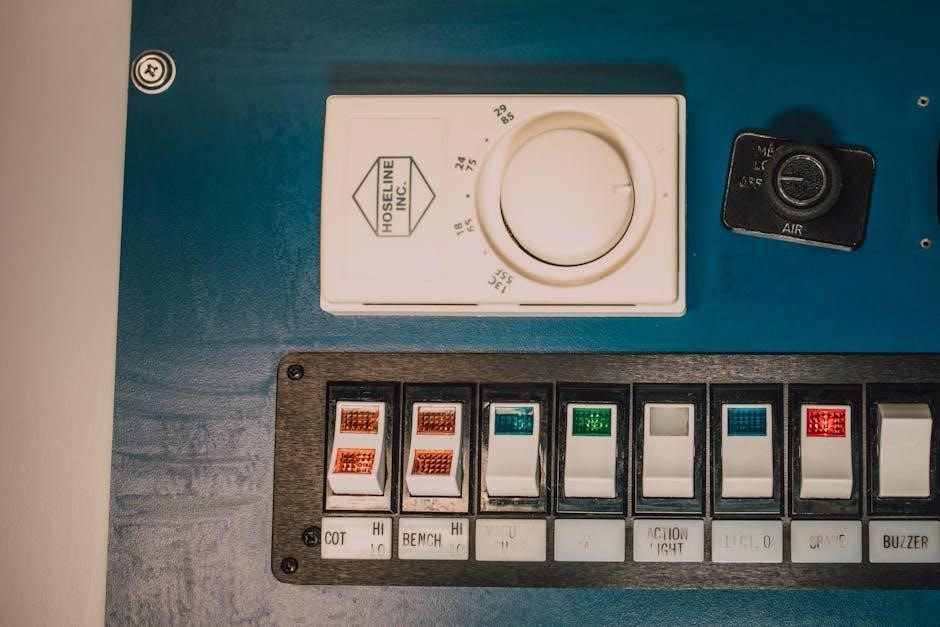
Inspect the wiring for any shorts or breaks‚ paying close attention to connections at both the switch and the camera. A faulty switch can also prevent power from reaching the camera. Utilize online resources like ManualLib to find wiring diagrams specific to your switch type. If issues persist‚ consult the camera’s documentation or a qualified electrician.
Wiring Errors
Wiring errors are a common cause of malfunction when installing a manual toggle camera switch. Incorrect connections can prevent the camera from receiving power or functioning correctly. Always double-check wiring diagrams‚ readily available through online manual databases like ManualLib‚ before making connections.
Ensure wires are securely fastened to the switch terminals and that there are no exposed wires creating a short circuit. Misidentifying the common‚ normally open‚ or normally closed terminals can lead to improper operation. If unsure‚ consult a qualified electrician. Proper wire gauge selection is also crucial for safe and reliable operation‚ preventing overheating and potential fire hazards.
Finding Manuals and Documentation
Locate manuals for your switch via online databases like ManualLib‚ manufacturer websites‚ or by searching using the specific model number for detailed instructions.
Online Manual Databases (ManualLib‚ etc.)
ManualLib and similar online repositories represent invaluable resources for locating documentation pertaining to manual toggle camera switches. These platforms aggregate a vast collection of manuals‚ service guides‚ and product documents from numerous brands‚ offering a centralized location for your search.
Users can typically search by keyword‚ model number‚ or even browse through categorized listings to pinpoint the specific manual needed. The benefit lies in accessing potentially lost or unavailable documentation directly from these databases‚ often in a readily downloadable PDF format.
These sites boast over a million free PDF manuals‚ simplifying the process of finding information. You can also paste product links or scan videos to quickly locate the correct manual‚ saving valuable time and effort.
Manufacturer Websites
Directly visiting the manufacturer’s website is often the most reliable method for obtaining accurate and up-to-date manuals for manual toggle camera switches. These websites typically dedicate sections to support‚ downloads‚ or documentation‚ specifically catering to their product lines.
Searching by the precise model number of your switch ensures you retrieve the correct manual‚ avoiding compatibility issues. Manufacturers frequently provide detailed guides‚ schematics‚ and troubleshooting information not found elsewhere.
Beyond manuals‚ these sites may offer FAQs‚ instructional videos‚ and contact information for technical support. Utilizing the manufacturer’s resources guarantees access to the most authoritative information regarding your specific switch.
Searching by Model Number
Locating the model number printed on your manual toggle camera switch is crucial for efficient manual retrieval; This unique identifier distinguishes your specific switch variant‚ ensuring you download the correct documentation.
Inputting this number into search engines‚ alongside terms like “manual” or “datasheet‚” directs you to relevant resources‚ including manufacturer websites and online manual databases like ManualLib.
Precise model number searches bypass generic results‚ saving time and frustration. It’s the most effective way to find detailed wiring diagrams‚ specifications‚ and troubleshooting guides tailored to your exact switch.
Understanding Manual Sections
Manuals for toggle camera switches typically begin with safety precautions and component identification. Wiring diagrams are central‚ illustrating connections for SPST‚ SPDT‚ DPST‚ and DPDT configurations.
Look for sections detailing switch ratings – voltage and amperage limits are critical for safe operation. Installation instructions provide step-by-step guidance‚ while troubleshooting sections address common issues like intermittent connections or non-functionality.
Understanding these sections allows for proper installation‚ safe usage‚ and effective problem-solving. Familiarize yourself with the terminology and diagrams to maximize the manual’s utility.
Advanced Considerations
Selecting the right switch demands attention to voltage‚ amperage‚ wire gauge‚ and environmental conditions for reliable‚ long-lasting performance in camera systems.
Switch Ratings (Voltage and Amperage)
Understanding switch ratings is crucial for safe and effective camera control. Manual toggle switches are characterized by voltage and amperage limits‚ defining the maximum electrical load they can handle.
Voltage represents the electrical potential difference‚ while amperage indicates the current flow. Exceeding these ratings can lead to switch failure‚ posing a fire hazard or damaging connected equipment.
Cameras and associated power supplies have specific voltage and amperage requirements. Always select a switch with ratings exceeding these demands‚ providing a safety margin. For example‚ a camera drawing 12V at 2A requires a switch rated for at least 12V and 3A.
Consult camera documentation and switch specifications to ensure compatibility. Ignoring these ratings compromises system reliability and safety.
Wire Gauge Selection
Choosing the correct wire gauge is paramount for a reliable manual toggle camera switch installation. Wire gauge‚ expressed in American Wire Gauge (AWG)‚ dictates a wire’s current-carrying capacity.
Thicker wires (lower AWG number) handle higher currents with less voltage drop‚ crucial for longer cable runs. Conversely‚ thinner wires (higher AWG number) are suitable for shorter distances and lower power demands.
The amperage draw of your camera dictates the minimum wire gauge. Consult an AWG chart to determine the appropriate size based on amperage and cable length. For instance‚ a 2A camera over 50 feet may require 16 AWG wire‚ while a shorter run could use 18 AWG.
Using undersized wire can cause overheating and voltage drop‚ impacting camera performance and potentially creating a fire hazard.
Environmental Factors (Temperature‚ Humidity)
External conditions significantly impact the longevity and reliability of manual toggle camera switches. Extreme temperatures‚ both high and low‚ can degrade switch components and wiring insulation‚ leading to malfunctions.
High humidity introduces moisture‚ fostering corrosion within the switch and connections. This corrosion increases resistance‚ potentially causing intermittent connections or complete failure.
For outdoor installations or environments with fluctuating temperatures‚ select switches rated for the specific conditions. Consider using weatherproof enclosures to shield the switch from direct exposure to the elements.
Regular inspection for signs of corrosion or damage is crucial. Applying dielectric grease to connections can help prevent moisture ingress and maintain optimal performance.
Switch Durability and Lifespan
The durability of a manual toggle camera switch is determined by its construction quality and the frequency of use. Switches with robust metal housings and high-quality internal contacts generally offer a longer lifespan.
Lifespan is often measured in cycles – the number of times the switch can be toggled on and off before failure. Higher-rated switches can withstand tens of thousands of cycles.
Factors like load current and environmental conditions also affect durability. Exceeding the switch’s amperage rating or exposing it to harsh environments accelerates wear and tear.
Regular maintenance‚ such as cleaning and lubrication‚ can extend the switch’s lifespan. Choosing a switch from a reputable manufacturer ensures adherence to quality standards.
Future Trends in Camera Switching
While automation rises‚ manual toggle switches will likely remain relevant in hybrid systems‚ offering a secure‚ physical override for camera control and privacy.
Integration with Smart Home Systems
Despite the increasing sophistication of smart home technology‚ a dedicated role exists for manual toggle camera switches even within these integrated ecosystems. While smart systems offer remote control and automation‚ a physical switch provides an undeniable layer of security and privacy.
Imagine a scenario where a smart system is compromised; a manual switch offers a failsafe‚ instantly cutting power to the camera‚ independent of network connectivity.
Integration isn’t about replacing smart features‚ but supplementing them. A smart home hub could‚ for example‚ report the switch’s status (on/off) providing awareness even of manual interventions. This creates a robust‚ layered security approach‚ blending convenience with absolute control‚ ensuring peace of mind beyond software solutions.
Remote Control Options
While fundamentally a manual solution‚ remote control functionality can be added to systems utilizing manual toggle camera switches‚ albeit indirectly. This isn’t about motorizing the switch itself‚ but rather integrating its status into a remote monitoring system.
For example‚ a sensor detecting the switch’s position (on or off) can relay that information to a user’s smartphone or computer. This provides remote awareness of the camera’s power state‚ effectively mimicking some remote control aspects.
Such systems often leverage smart home hubs or custom-built automation solutions. Though not direct control‚ this approach offers a degree of remote oversight‚ combining the security of a manual switch with the convenience of remote monitoring‚ bridging the gap between physical and digital control.
Automated Switching Solutions
Despite the simplicity of manual toggle camera switches‚ the trend leans towards automated alternatives. These solutions employ relays‚ smart plugs‚ or integrated power controllers triggered by schedules‚ motion detection‚ or other events.
Automated systems offer convenience and advanced features‚ like remote activation and logging of camera uptime. However‚ they introduce potential vulnerabilities to hacking and system failures‚ concerns a manual switch inherently avoids.
The core benefit of a manual switch – a physical‚ undeniable disconnect – remains valuable‚ especially in security-critical applications. Automated systems often complement‚ rather than replace‚ manual controls‚ offering layered security and redundancy.
The Role of Manual Switches in a Hybrid System
Manual toggle camera switches excel within a hybrid security or surveillance setup‚ acting as a crucial failsafe. They provide a physical layer of control‚ independent of software or network connectivity‚ addressing potential vulnerabilities in automated systems.
Imagine a smart home system compromised; a manual switch ensures camera power can be instantly cut‚ preserving privacy. This redundancy is invaluable.
A hybrid approach leverages the convenience of automation alongside the reliability of a physical disconnect. Manual switches offer peace of mind‚ guaranteeing control even during system outages or cyberattacks‚ complementing automated solutions effectively.